Youngest active
Montpellier
23.33 average season age across 21 active players with known birth year.
/ Public report
A league-wide 2026 age audit and a confidence-weighted hypothetical France U21 roster, built only from the statistics already held in the Statbase database. Snapshot: matches through 5 July 2026.
French Division 1 has no single youth story. Montpellier owns the youngest active player group. Savigny follows closely behind. Béziers and Toulouse have the league's highest concentrations of U21 players, while Toulouse presents the sharpest contrast: the oldest overall active group, but by far the youngest French-national core.
That is the central finding of the database snapshot through 5 July. Age should not be read as a verdict on quality; it is a description of how clubs are being built and, crucially, which players are actually taking the field.
The same age audit creates a more useful selection question than a simple ranking: if France selected a U21 group strictly from current Division 1 players, who has earned a place, and which stat lines are still too thin to trust?
Youngest active
Montpellier
23.33 average season age across 21 active players with known birth year.
Youngest core
Toulouse
20.25 average French-national age, with 10 U21 players.
Youth workload
Béziers
11 U21 players delivered 68.6% of the measured PA + BF share.
Roster size
24 players
A public, confidence-weighted hypothetical France U21 squad.
/ Visual map
These three charts carry the report's headline read: who is young, who actually uses youth, and which clubs have the youngest French-national core.
Active age
Lower bars mean younger active groups. Montpellier and Savigny sit at the front, Toulouse at the back.
U21 headcount
This is the raw youth pool. It shows depth, but not how heavily those players are used.
Youth workload
Bars compare share of active players with share of the combined PA + BF workload.
Youngest active group
Montpellier 23.33
The age chart leads with a clear gap.
Most youth-led workload
Béziers 68.6%
Youth usage is heavier than youth headcount alone suggests.
Youngest French core
Toulouse 20.25
The domestic core is younger than the club’s overall profile.
/ League age table
An active player is a player recorded as having appeared in the existing 2026 Division 1 data. Age is a calendar-year index, not an exact birthday age. U21 means born in 2005 or later.
| Rank | Club | Active players with known birth year | Average season age | U21 active players |
|---|---|---|---|---|
| 1 | Montpellier | 21 | 23.33 | 11 |
| 2 | Savigny | 20 | 23.75 | 7 |
| 3 | Béziers | 22 | 24.55 | 11 |
| 4 | La Rochelle | 23 | 24.65 | 8 |
| 5 | Rouen | 21 | 24.67 | 7 |
| 6 | PUC | 21 | 25.29 | 7 |
| 7 | Sénart | 18 | 26.61 | 5 |
| 8 | Toulouse | 20 | 27.10 | 10 |
What this says
Montpellier is the league's youngest active group by a clear margin. Savigny is second-youngest despite having fewer U21 players than Béziers. Toulouse carries ten U21 players but remains the oldest overall active group.
Important distinction
Low average age and a large U21 cohort are related, but not identical. The report keeps headcount, average age and workload separate so the public read does not flatten the clubs into one number.
/ Youth workload
The table below adds each team's U21 share of active players and its share of combined plate appearances plus batters faced. The latter is an involvement proxy rather than a literal measure of defensive innings.
| Club | U21 share of active group | U21 share of PA + BF | Age-profile reading |
|---|---|---|---|
| Montpellier | 52.4% | 37.2% | Youngest group, with youth embedded throughout the active side |
| Savigny | 35.0% | 33.9% | Young overall profile, not dependent on a huge U21 headcount |
| Béziers | 50.0% | 68.6% | The league’s most youth-led competitive workload in this snapshot |
| La Rochelle | 34.8% | 46.0% | A balanced age group with meaningful young-player involvement |
| Rouen | 33.3% | 32.8% | Youth present, but not the defining source of playing volume |
| PUC | 33.3% | 24.2% | A genuine youth layer inside an experienced active group |
| Sénart | 27.8% | 13.5% | The lightest youth workload among the eight clubs |
| Toulouse | 50.0% | 58.3% | Large youth cohort carrying a major share of on-field volume |
/ French-national core
The audit was also run on active players whose official FFBS/WBSC competition registration data records nationality as FRA. This is stronger than an inferred nationality, and every one of the 112 active FRA entries in this table was cross-checked against the official 2026 Division 1 roster.
| Club | FFBS-recorded French-national active players | Average season age | French-national U21 players |
|---|---|---|---|
| Toulouse | 12 | 20.25 | 10 |
| Montpellier | 16 | 22.38 | 10 |
| Savigny | 15 | 22.60 | 6 |
| Béziers | 11 | 23.18 | 6 |
| La Rochelle | 14 | 23.21 | 7 |
| Rouen | 17 | 24.29 | 7 |
| Sénart | 12 | 24.67 | 5 |
| PUC | 15 | 24.80 | 6 |
Toulouse
The club's average French-national season age of 20.25 is the most striking league-wide result.
Montpellier
The domestic core is also very young, with ten U21 players among 16.
PUC
PUC's French-national active group has the oldest average age (24.80), despite six U21 participants.
/ Evidence bands
The selection model combines the database's existing metrics with explicit sample-size safeguards. These thresholds are editorial selection rules, not an official federation standard.
| Evidence class | Hitters | Pitchers | Selection implication |
|---|---|---|---|
| Established | 60+ PA | 30+ IP | Can carry a starting or major role |
| Useful evidence | 40-59 PA | 15-29 IP | Eligible, but role should reflect uncertainty |
| Limited evidence | below 40 PA | 10-14 IP | Development/reserve case, not a role promised by the stat line |
| Unproven | — | below 10 IP | Do not assign a key tournament role from current statistics alone |
For the initial candidate ranking, the analytical score gives hitters 55% weight to PVI, 20% to confidence-adjusted PFI, 10% to defensive rating, 10% to speed and 5% to plate-appearance volume. Pitchers receive 60% PVI, 25% confidence-adjusted PFI, 10% innings workload and 5% defensive contribution.
That score is a shortlist tool, not a black-box roster generator. The final squad then applies the evidence bands below and the practical requirements of catcher, shortstop, centre field and a usable pitching staff.
A 0.00 ERA in 7.2 innings can identify upside, but it cannot establish a starting pitcher, a closer or a national-team pecking order. The report keeps upside visible without confusing it for proof.
/ Position players
This is a 24-player squad selected from U21 players whose official FFBS/WBSC registration data records FRA nationality. All 24 have been cross-checked against the official 2026 Division 1 roster and their official game-registration nationality entries.
| Role | Player | Club | Current D1 evidence | Confidence / rationale |
|---|---|---|---|---|
| C / IF | Julian Dussart | PUC | 68 PA, .816 OPS; extensive C/3B/SS usage | Established hitter sample; the roster’s most useful defensive-flexibility piece |
| C | Titouan Chaligne | Toulouse | 58 PA; catcher is his primary D1 usage | Useful evidence; selected for real catching cover rather than bat alone |
| 1B / OF | Esteban Briones | La Rochelle | 88 PA, .855 OPS | Established sample; a middle-order first-base option |
| 1B / DH / OF | Oscar Lebouc | Rouen | 72 PA, .764 OPS | Established sample and valuable left-side/bench flexibility |
| 2B / 3B | Dorian Bouniol | Montpellier | 80 PA, .999 OPS | Established; one of the strongest U21 offensive cases in the league |
| 3B | Pierre Doat | Montpellier | 60 PA, 1.111 OPS | Established threshold reached; the standout bat in the current U21 pool |
| SS / IF | Théo Rioux | Rouen | 78 PA; 18 D1 games at SS | Established and the clearest shortstop defensive body of work |
| SS / IF | Jason Nayral | Montpellier | 73 PA; 17 D1 games at SS | Established at the position, despite a more modest offensive line |
| IF / OF | Tristan Laufenbuchler | La Rochelle | 73 PA, .774 OPS; 2B/3B/SS/OF use | Established multi-position reserve with a credible bat |
| C / 3B | Ismael Camara | La Rochelle | 45 PA, .761 OPS; 3B and C use | Useful evidence; provides third-base and emergency-catching depth |
| OF | Eliott Limouzin | Béziers | 87 PA, .724 OPS | Established; regular corner-outfield volume |
| OF | Eloi Baisse-Depontieu | Toulouse | 73 PA, .742 OPS; 13 games in RF | Established and a stable right-field option |
| CF | Amaury Cegielski | Toulouse | 79 PA; 17 games in CF | Established defensive centre-field role; roster balance matters here |
| OF | Noa Martinez-Bouvier | Savigny | 54 PA, .820 OPS; LF/RF/CF use | Useful evidence; high offensive output with three-outfield coverage |
/ Pitching staff
There are three clear workload-qualified starters, one credible fourth starter / bulk option, and then a steep drop into arms whose selection is driven by availability and role coverage rather than dominant production.
| Proposed role | Player | Club | Current D1 evidence | Confidence / rationale |
|---|---|---|---|---|
| Starter | Nathan Laot | Toulouse | 44.1 IP, 4.26 ERA, 1.33 WHIP, 11.57 K/9 | Established; the strongest current combination of workload, command and strikeouts in the U21 pool |
| Starter | Emile Brelle | Sénart | 41.1 IP, 3.92 ERA, 1.57 WHIP | Established; meaningful innings and the best ERA among the proven-volume group |
| Starter | Quentin Lesfargues | Montpellier | 43.1 IP, 4.36 ERA | Established workload; not perfect, but a legitimate rotation body |
| Starter / bulk | Nathan Chevet | Savigny | 23.1 IP, 4.24 ERA, 11.19 K/9 | Useful evidence; strikeout upside, with a smaller sample than the first three |
| Bulk / relief | Luca Le Guillou | PUC | 32.1 IP, 6.96 ERA | Established innings; selected as an available workload arm, not because the run prevention is already national-team standard |
| Relief | Ethan Duquenoy | Toulouse | 33.1 IP, 8.64 ERA | Established innings; depth selection reflects the limited U21 pitching pool |
| Relief | Nathan Guyonneau | Béziers | 26.2 IP, 7.76 ERA | Useful-to-established workload; development role rather than leverage assignment |
| Relief | Tom Hernoux | La Rochelle | 19.1 IP, 8.84 ERA | Useful evidence; lower-leverage/long-relief profile in this snapshot |
| Relief | Elliot Davy | Montpellier | 18.1 IP, 9.33 ERA, 9.82 K/9 | Useful workload but high walk/run risk; selected for depth, not a fixed late-inning job |
| Camp evaluation arm | Ben Couvreur | Montpellier | 9.1 IP, 0.00 ERA, 0.43 WHIP, 21.21 K/9 | Exceptional upside, but below the 10-IP confidence floor; on the roster for evaluation, not an automatic starter or closer |
Savigny's Luca Bernardi Chiba is the clearest omission and the first development reserve. His 7.2 innings include a 0.00 ERA, a 0.78 WHIP and 12.91 strikeouts per nine, but the innings total is smaller than the report's confidence floor.
/ Starting nine
The best defensive shape is not simply the nine highest offensive scores. It keeps proven plate appearances, real position usage and the opening starter in the same frame.
| Avatar | Slot | Player | Why this fit works now |
|---|---|---|---|
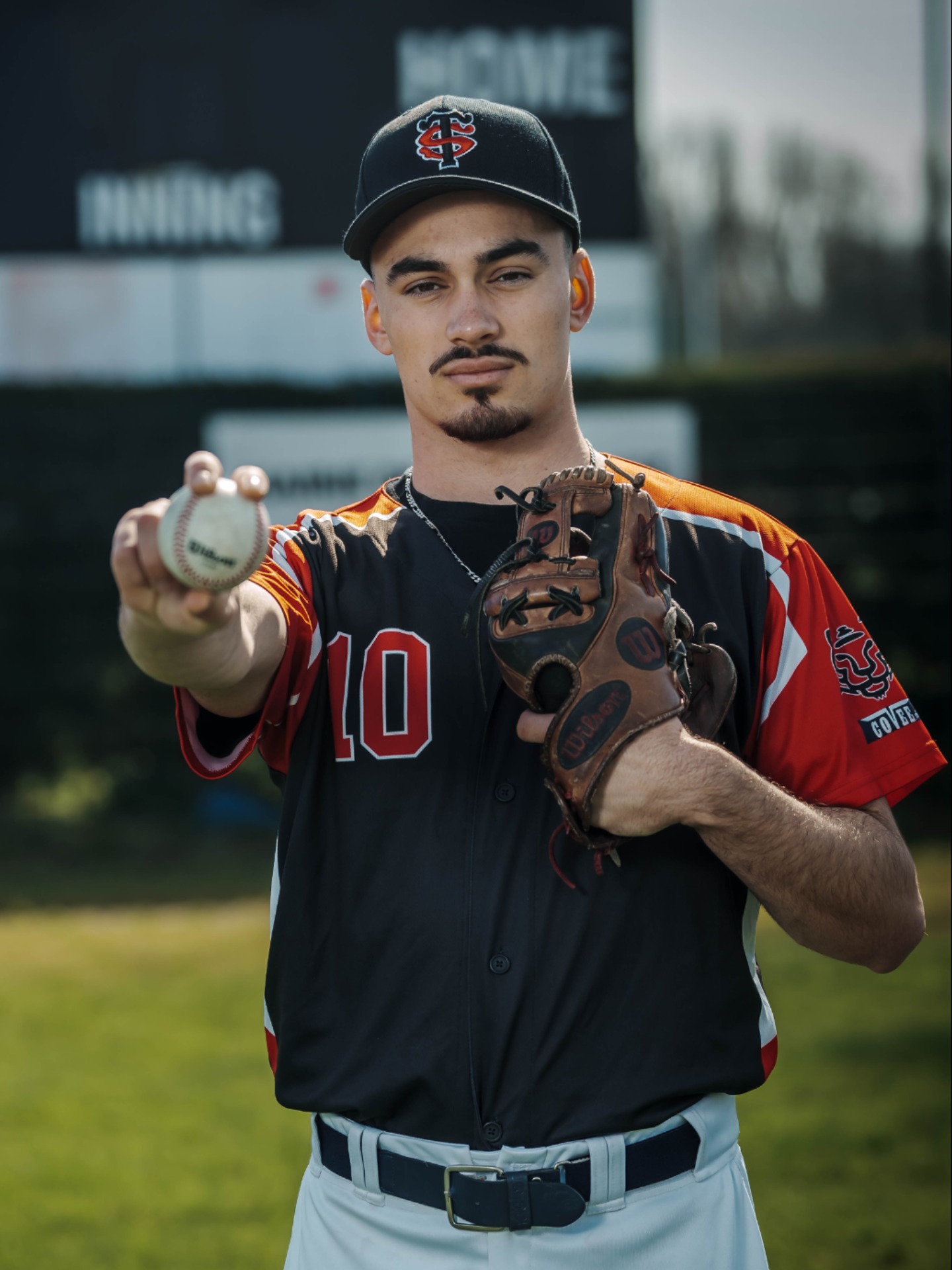 | SP | Nathan Laot | 44.1 IP of established evidence, with the best current blend of workload, command and strikeout rate in the U21 pool |
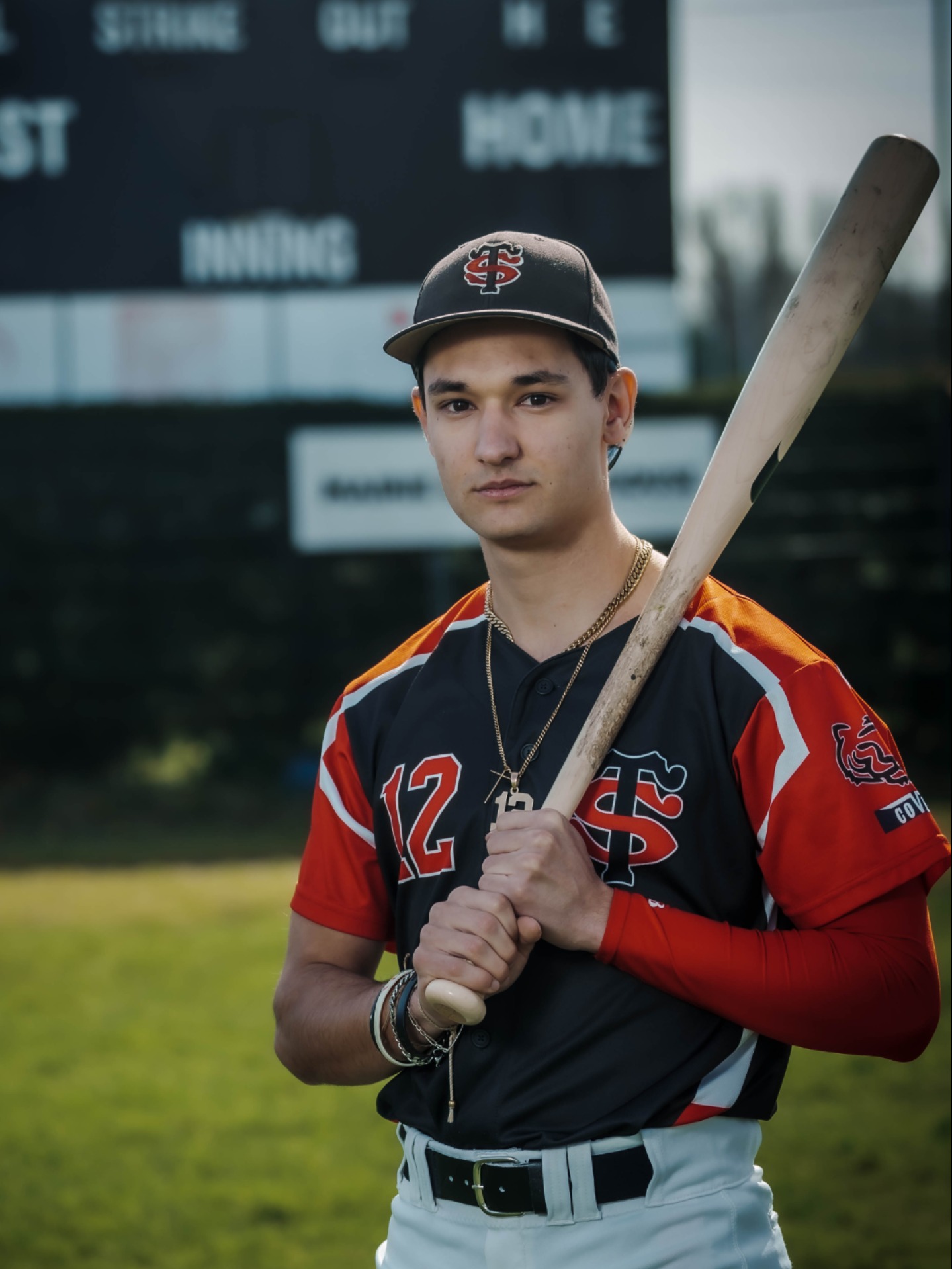 | CF | Amaury Cegielski | Most established centre-field defensive usage in the selected group |
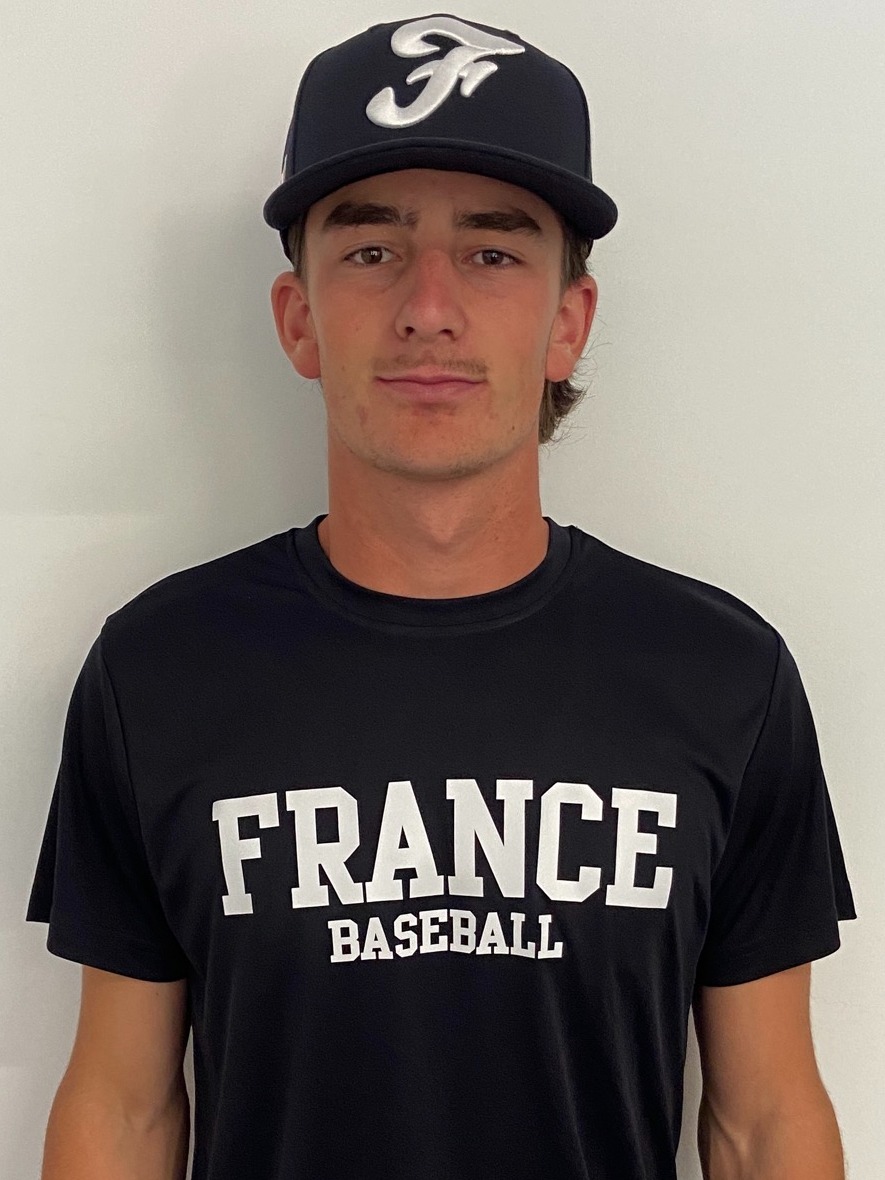 | 2B | Dorian Bouniol | .999 OPS through 80 PA, with repeated middle-infield use |
 | 3B | Pierre Doat | The top current offensive line among the established U21 hitters |
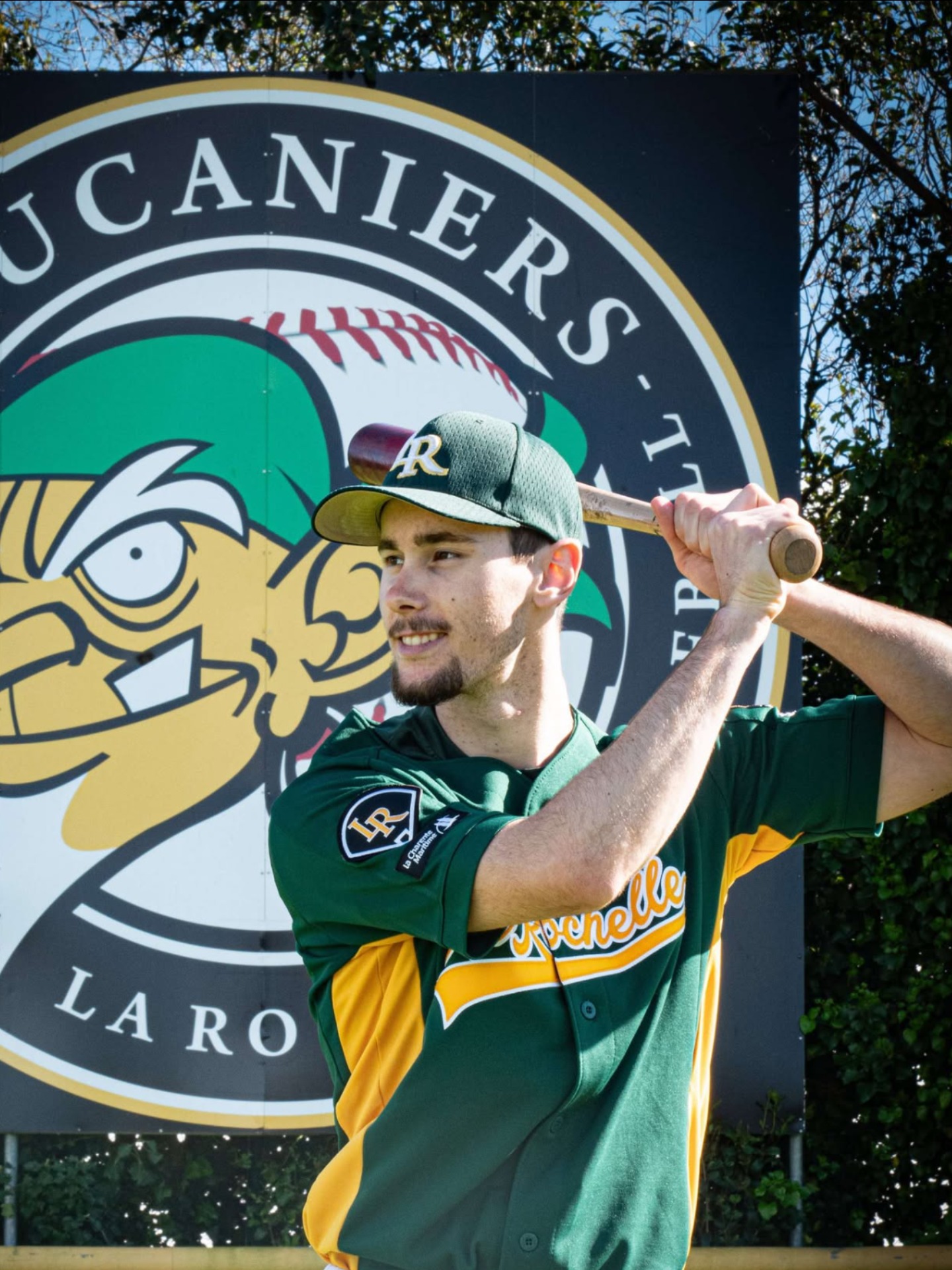 | 1B | Esteban Briones | 88 PA and .855 OPS provide a stable middle-order first-base option |
 | C | Julian Dussart | 68 PA plus genuine catching/infield versatility |
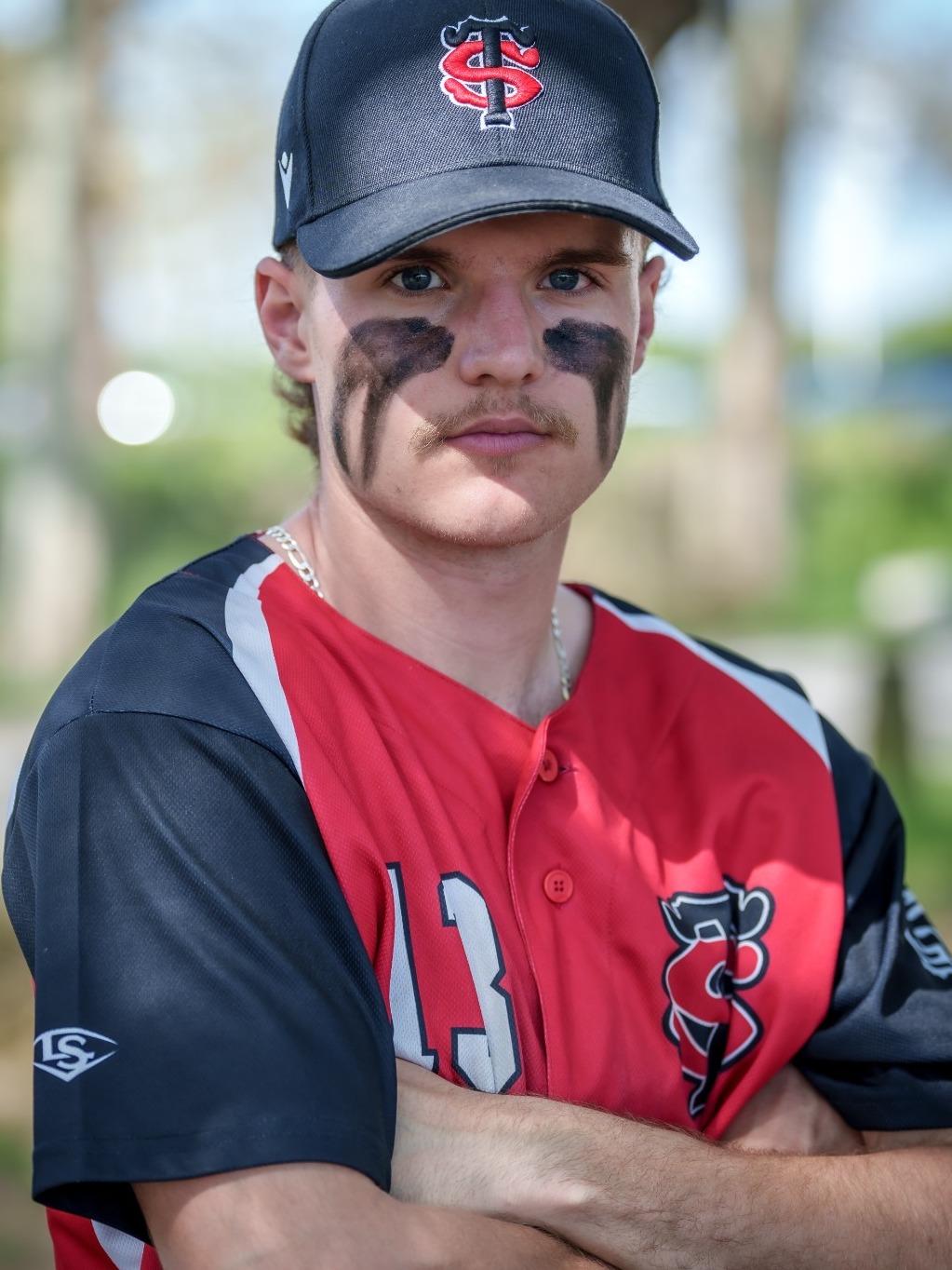 | RF | Eloi Baisse-Depontieu | Regular right-field work and an established sample |
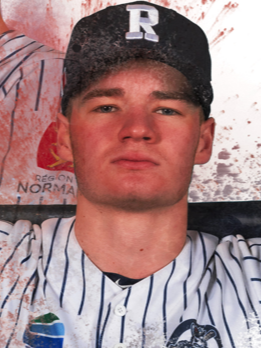 | DH | Oscar Lebouc | Keeps a .764 OPS bat in the lineup while preserving defensive options |
 | LF | Eliott Limouzin | 87 PA of corner-outfield volume |
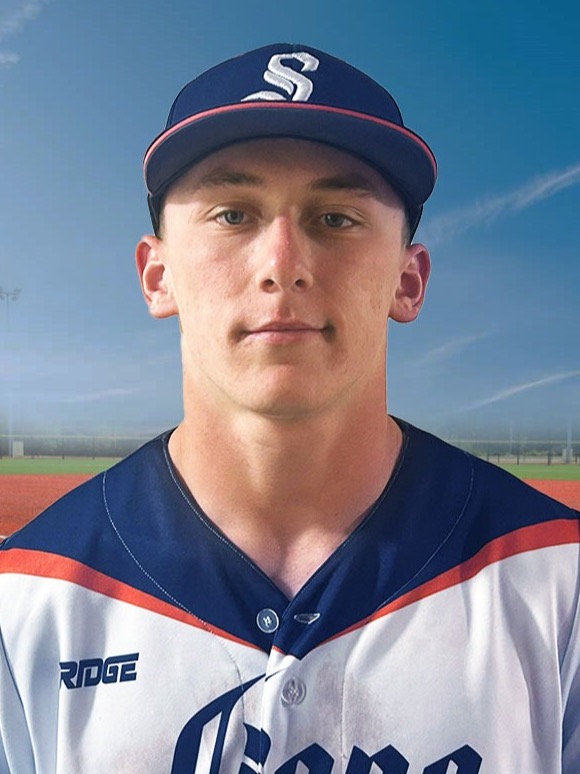 | SS | Théo Rioux | The most substantial shortstop usage in the roster |
Rotation note
Nathan Laot, Emile Brelle and Quentin Lesfargues should form the evidence-backed front of the rotation. Nathan Chevet is the fourth-start or bulk-inning candidate.
Development note
Le Guillou, Duquenoy, Guyonneau, Hernoux and Davy are used according to matchup and workload rather than handed a high-leverage hierarchy. Couvreur begins as a camp evaluation.
/ Verdict
Montpellier has the youngest active group; Béziers carries the largest measured youth workload; Toulouse has the oldest active group but the youngest French-national core. Those distinctions matter because youth headcount, age profile and actual competitive involvement are not the same thing.
Montpellier youngest active group, Béziers most youth-led workload, Toulouse youngest French-national core, and a 24-player roster split that stays honest about sample size.
Exact roles for the thinnest samples. The report keeps upside visible, but it does not pretend a tiny line is proof of a tournament job.
Earlier scenario planning, clearer workload tradeoffs, and a roster conversation that separates club age structure from actual on-field evidence.
/ Related reading
Two adjacent FD1 reads sit closest to this piece in the archive.
Statbase gives clubs and analysts the working layer behind this report: youth structure, domestic-core context, roster translation, and the next-step view on who is actually carrying the league's young workload.
8 clubs
mapped in the active age audit
24 players
translated into the U21 roster
112 FRA entries
cross-checked in the public snapshot